

Move from WordPress to a custom platform built around your business
WordPress is a genuinely good starting point. It stops being the right tool once a plugin stack is holding together membership access, bookings, a client portal, or a learning platform your business actually depends on. We build the custom software that replaces the workarounds - senior Brisbane-based engineers, serving clients across Australia.










When WordPress Starts Acting Like Your Core Business System
WordPress does content and brochure sites well. The constraint shows up once it's carrying operational weight - membership access, bookings, a portal, a learning platform - that plugins were never designed to hold.
Too many plugins
Ten-plus plugins holding the site together, where updating one risks breaking three others.
Slow or unreliable workflows
Membership access, bookings, or portal logic that lags, times out, or fails under real usage.
Security and update risk
Every plugin and theme update is a gamble on whether something business-critical breaks.
Poor admin experience
Your team fighting a WordPress admin panel to do things it was never designed for.
Manual processes outside WordPress
Spreadsheets, email chains, and Zapier automations patching gaps the platform can't close.
Integrations that keep breaking
Payment gateways, CRMs, or booking tools connected through a chain of plugins that breaks on every update.
UX limitations for your users
Members, students, clients, or staff working around a clunky front-end plugins were never built to deliver.
Common WordPress migrations we build
Six starting points we see most often. If yours isn't listed, it's still very likely one we've built before.

Membership site to custom platform
Access rules, content gating, and billing logic built natively instead of stacked plugins.
LMS to custom learning platform
Course structure, progress tracking, and certification designed around how you actually teach.
Booking system to custom software
Scheduling, availability, and payment logic that matches your real operational rules.
Client portal to custom portal
Secure, role-based access for clients or staff, without a patchwork of portal plugins.
Directory or marketplace to custom application
Listings, search, and transaction logic built to scale past what a directory plugin can carry.
WooCommerce to custom ordering or operations platform
Fulfilment, B2B pricing, or subscription logic WooCommerce extensions only half-solve.
Built around your business, not a plugin
A WordPress plugin is built for the average use case. Custom software is designed around your actual workflow, permissions, data, and integrations - so it stops being a workaround.
One platform, not a plugin stack
Permissions, workflow, and integrations built natively into Laravel - not stitched together from plugins that update on their own schedule.
You own the platform
No plugin licence fees, no compatibility risk on the next core update, no waiting on someone else's roadmap to fix what's broken.
A Staged Path Away From WordPress
Migrations are staged deliberately, so risk and cost stay controlled from the first audit through to launch.
01
Audit the current setup
Every plugin, theme customisation, and workaround reviewed to see what's actually doing the work.
02
Map the core workflows
What stays, what changes, and what gets rebuilt - mapped against how your business actually operates.
03
Design the replacement platform
Laravel architecture designed around your workflow, permissions, and integrations - not a plugin's assumptions.
04
Migrate data carefully
Members, content, orders, and records moved across deliberately, with everything verified before cutover.
05
Launch in stages
Where it makes sense, we cut over the operational core first and handle the rest in a later phase.
06
Protect your SEO and content
URLs preserved or redirected, and content migrated with rankings and backlinks kept intact.
Why Businesses Trust Pixel to Rebuild It Properly
Official Laravel Partner
Australia's only Premier Laravel Partner - endorsed by Laravel directly. Laravel is a proven fit for secure, scalable portals, booking systems, and education products.
Senior-Led Engineers
Every migration is led by senior developers who've shipped production software at scale - not junior developers learning WordPress migrations on your project.
Onshore · Brisbane
Your code never leaves Australia. Need senior Laravel developers specifically, rather than a full migration? We can staff that too.
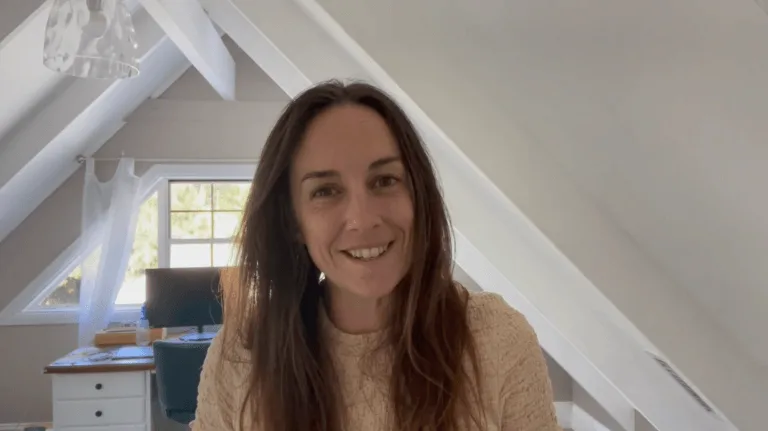


Joel and the Pixel team are constantly coming to us with recommendations for improvement and innovation based on research, experience, and best practice, and have been instrumental in bringing to life the vision I have for my company.
Abbey Cameron
Founder, Nourish'd

Got questions?
We've got answers.
Couldn't find the answer you were looking for? No worries, get in touch with us.
Contact Us
How do I know if I've outgrown WordPress?

You may have outgrown WordPress when your website depends on a large plugin stack to function and updating one plugin risks breaking another. Other common signs include manual workarounds or Zapier chains filling gaps WordPress cannot handle natively, declining page speed or admin performance, and features that require increasingly complex development workarounds.
It may also be time to consider a custom platform when your website is running bookings, memberships, an LMS, client portals, or other workflows that behave more like a business application than a traditional website.
If none of these issues apply, WordPress may still be the right platform. It remains a strong choice for content-led and brochure websites. The limitation usually appears when the website becomes an operational system your business relies on, rather than primarily a marketing presence.
Do I have to migrate everything off WordPress at once?
No. Most WordPress migrations can be completed in stages. We often rebuild the operational core first, such as the membership system, booking engine, client portal, or LMS functionality that WordPress is struggling to support.
The marketing website and blog can remain on WordPress if there is no immediate reason to move them. Where appropriate, we can connect the two platforms or migrate the remaining content in a later phase.
The goal is to reduce risk, manage costs, and prioritise the parts of the platform that are creating the biggest operational constraints, rather than forcing everything to move at once.
Will I lose my content or SEO rankings when I move off WordPress?
Not if the migration is planned and implemented properly. Existing content, URLs, metadata, and internal links are audited before development begins. URLs are then preserved where possible or mapped to the most relevant new pages using 301 redirects.
This helps retain the SEO value of your existing pages and backlinks rather than forcing the new platform to start from zero. Some short-term ranking movement can occur after any major migration, but careful redirect mapping, technical testing, and post-launch monitoring significantly reduce the risk.
For every WordPress migration we manage, SEO and content preservation are planned from the start rather than treated as an afterthought after launch.
What happens to my WordPress plugins and integrations?
We audit your existing plugin stack to understand what each plugin is actually doing. Some are replaced with functionality built directly into the new platform, while integrations such as payment gateways, email marketing tools, and CRMs can be rebuilt as direct connections rather than routed through WordPress plugins.
If part of the website remains on WordPress, content-related plugins may stay in place where they still serve a useful purpose. The goal is not to replace every plugin one for one, but to reduce unnecessary dependencies and create a platform with fewer moving parts.
How much does it cost to move from WordPress to a custom platform?
WordPress-to-custom-platform migrations typically start from $30,000 for a focused rebuild of a core system, such as a membership area, booking engine, client portal, or learning platform. Costs increase depending on the complexity of the workflows, user permissions, integrations, and custom functionality required.
We scope each project in detail and provide a fixed fee before development begins. The more useful cost comparison is not simply WordPress hosting versus a custom build. It is the ongoing cost of plugin licences, developer time spent maintaining workarounds, and the operational risk of running a business-critical system on a content management platform that was never designed for that purpose.
Can you migrate a WordPress membership site, LMS, or booking system?
Yes. This is exactly the type of WordPress migration we specialise in. We work with membership communities, online course and LMS platforms, booking and scheduling systems, client portals, directories, and marketplaces built on WordPress plugins.
These systems often become difficult to manage when the underlying plugins can no longer support the business rules, permissions, workflows, or scale required. We rebuild that functionality natively in Laravel, creating a custom platform designed around how your business actually operates rather than the limitations of an existing plugin.
Why build custom instead of just using a more powerful WordPress plugin or theme?
A more powerful plugin or theme can solve a specific problem, but it still has to operate within WordPress and alongside the rest of your existing plugin stack. As more functionality is added, the risk of update conflicts, compatibility issues, performance problems, and ongoing support overhead usually increases.
Adding another plugin may extend the system without resolving the underlying platform constraint. Custom software builds the required workflows, permissions, and business logic directly into the platform, giving you infrastructure designed around your operations. You also own the solution outright, without ongoing plugin licence fees or the same compatibility risk each time WordPress core or another plugin is updated.
How long does a WordPress to custom platform migration take?
Most staged migrations take 8 to 16 weeks, depending on the scope. A focused rebuild of a membership system or booking platform will usually sit at the shorter end, while a larger platform involving multiple workflows, user roles, and integrations will take longer.
We confirm the project timeline during discovery, once we have audited what will stay, what will change, and what needs to be rebuilt from scratch.
Can my team still manage content without WordPress?
Yes. Moving away from WordPress does not mean losing the ability to update pages, publish content, or manage users. We build a custom admin interface around the tasks your team actually performs, so they can manage content and platform activity without relying on WordPress, page builders, or unnecessary settings.
The result is often a simpler editing experience because the admin area only includes the tools and workflows your team needs.
If your WordPress site has become the system your business depends on
It may be time to rebuild it properly. Book a discovery call and we'll tell you honestly whether that's the case.
Start with a Technical Blueprint.
Before you commit to a migration, we sit with your team, pull apart your current WordPress setup, and deliver a concrete 12-month roadmap - what to build, when, and why.
Learn about the Blueprint
$2,990 inc. GST · credited against your first invoice if you build with usMore on making the switch
Related reading and next steps.
Custom Software Development
The broader picture - purpose-built systems for businesses that have outgrown off-the-shelf tools.
Learn more →
Laravel Application Development
You need a serious Laravel team to build, rescue, or scale a business-critical application.
Learn more →
Migrating from Shopify
Outgrown Shopify's fulfilment, subscription, or B2B pricing limits? Build custom instead.
Learn more →
Software Development Brisbane
Not sure which service fits your project? Start here for a full overview.
Learn more →