Web Design Brisbane
Our team of Brisbane web designers specialise in building functional custom websites for businesses outgrowing off-the-shelf platforms like Wordpress and Shopify.
How We Approach Web Design in Brisbane
Your website is your key marketing asset able to provide extensive content to a large audience quickly. Therefore, it's crucial to ensure it's well-executed.

Ideation and Evaluation
At this stage, we aim to understand your business objectives, target market, unique value proposition, current status, and future growth aspirations. We'll conduct a competitor and industry analysis, performing a brand audit, and drafting an initial sitemap. If necessary, we'll also refine the brand and create mood boards to explore visual concept directions for the website kickoff.

UX Design
At this stage, we aim to understand your business objectives, target market, unique value proposition, current status, and future growth aspirations. We'll conduct a competitor and industry analysis, performing a brand audit, and drafting an initial sitemap. If necessary, we'll also refine the brand and create mood boards to explore visual concept directions for the website kickoff.

UI Design
At this stage, we aim to understand your business objectives, target market, unique value proposition, current status, and future growth aspirations. We'll conduct a competitor and industry analysis, performing a brand audit, and drafting an initial sitemap. If necessary, we'll also refine the brand and create mood boards to explore visual concept directions for the website kickoff.

Design System
At this stage, we aim to understand your business objectives, target market, unique value proposition, current status, and future growth aspirations. We'll conduct a competitor and industry analysis, performing a brand audit, and drafting an initial sitemap. If necessary, we'll also refine the brand and create mood boards to explore visual concept directions for the website kickoff.

Web Design Brisbane
We design and build websites for Brisbane businesses that need more than a template. Every project is designed from scratch in Figma, built on Laravel, and tested across devices before it goes anywhere near a live server.

A powerful mix of experience & technology
Our designers and engineers work together from day one. That means the visual design is built with the technical constraints in mind, and the development is built with the design intent preserved. No handoff friction, no compromises made in translation.

Connecting you with your target audience
Good web design is conversion-focused, not just attractive. We design around the journey your users actually take - from landing to contact, from browsing to buying - with every layout decision made to reduce friction and drive action.

User Experience
We map out user flows before we open Figma. Understanding how different users move through your site shapes every structural decision - navigation, information hierarchy, page flow. The result is a site that feels intuitive because it was designed that way, not retrofitted.
Quality
Every site we ship is tested across browsers, devices, and screen sizes before launch. Performance, accessibility, and SEO foundations are built in from the start - not checked at the end. We do not cut corners on the details that most people only notice when they are missing.
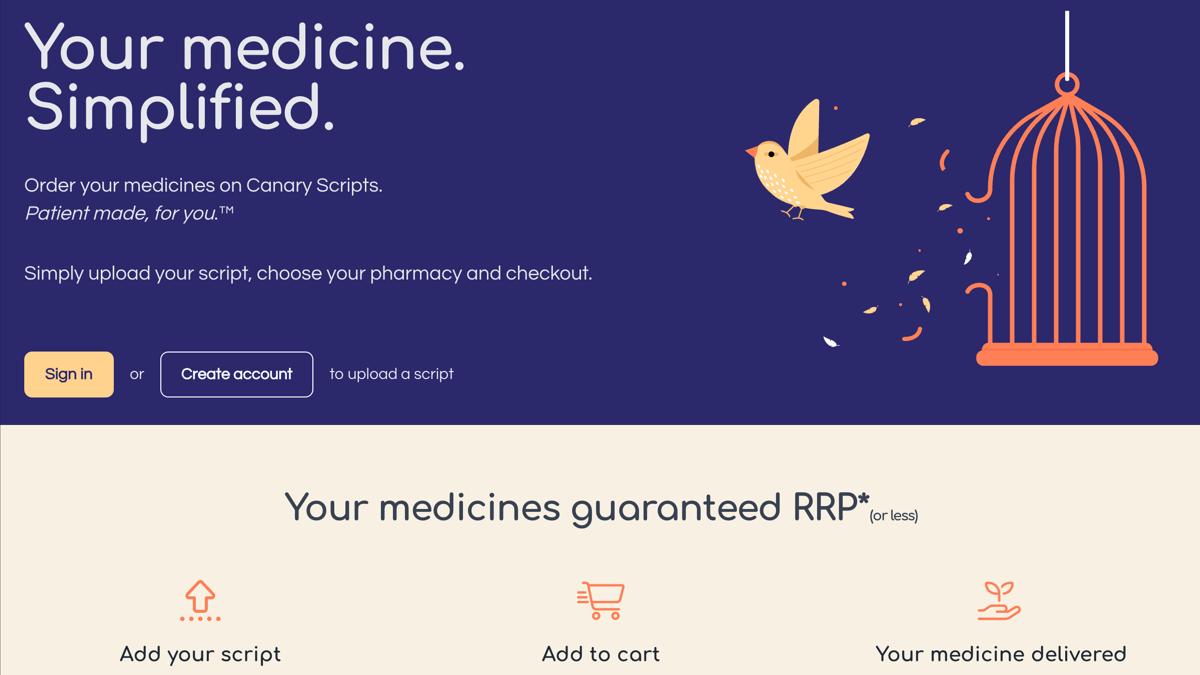


"Pixel thrives in complex, uncharted environments - delivering secure, high-performing platforms where others can’t."
Steven N
Founder, Canary
"Joel and the team at Pixel are the only developers I have recommended in 10+ years of running Nourish'd."
Abbey Cameron
Founder, Nourish'd

Got questions?
We've got answers.
Couldn't find the answer you were looking for? No worries, get in touch with us.
Contact Us
How much does web design cost in Brisbane?

Web design pricing varies significantly depending on what you're actually buying.
A template-based website from a freelancer might cost $3,000–$8,000. A professionally designed, custom-built website from an agency typically starts from $15,000–$25,000 for a standard marketing or service site, and scales up from there based on features, integrations, and scope.
At Pixel, every project is scoped in detail before we agree on a price. You receive a fixed-price proposal that covers design, development, content integration, and launch — no surprises at the end.
The right framing on cost: your website is your primary sales tool. A cheap website that doesn't convert costs far more in lost business than a well-designed one that does.
How long does it take to design and build a website?
For a professionally designed website, you should expect 8–14 weeks from kickoff to launch. This covers:
- Discovery — understanding your business, audience, and goals
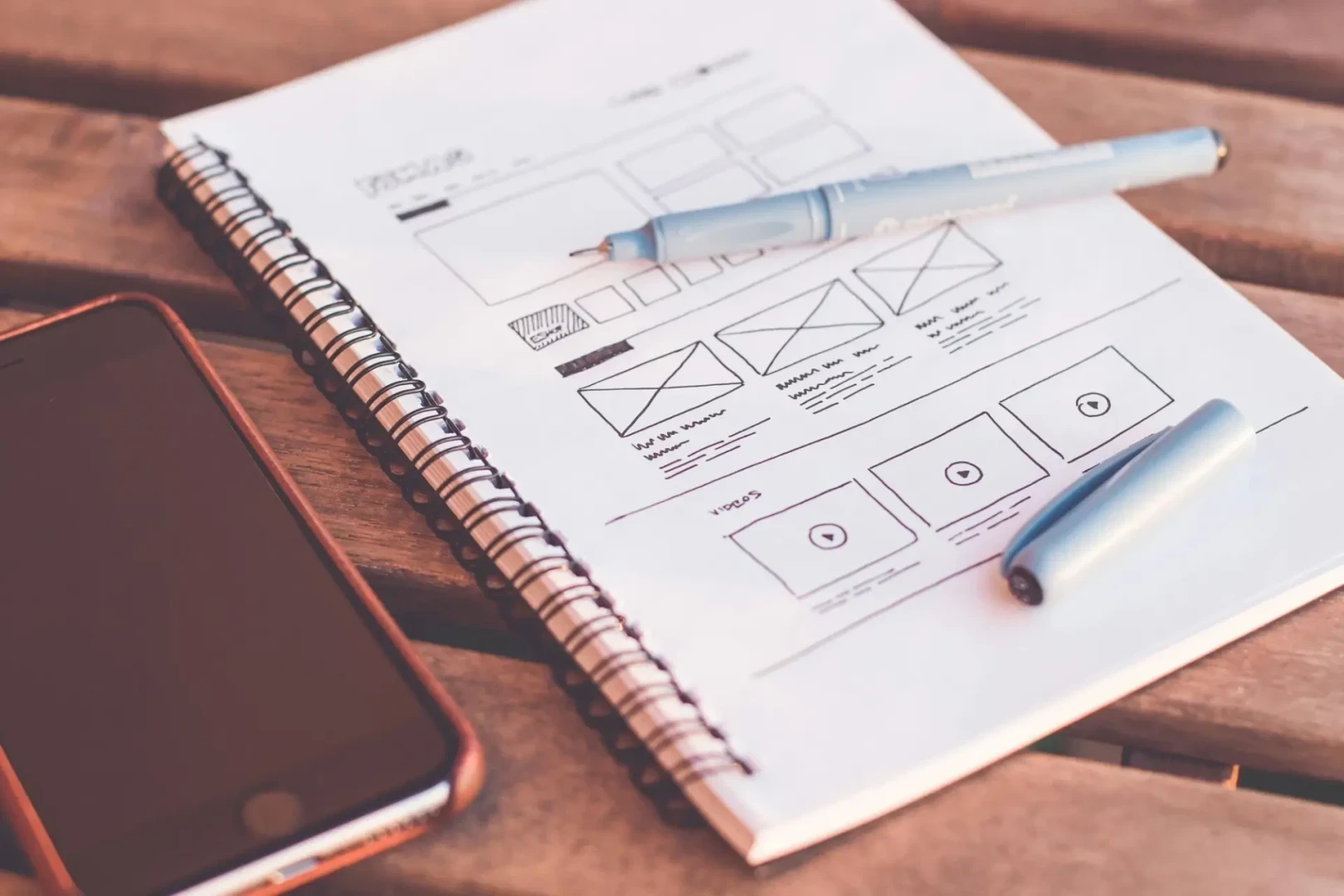
- Design — wireframes, visual design, and client review rounds
- Development — building the site with all features, integrations, and content
- QA and launch — testing across devices and browsers, then a controlled go-live
Timeline depends on complexity, the number of pages, integrations required, and how quickly you can review and provide feedback. We agree a milestone-based timeline before work begins.
What's the difference between a template website and a custom design?
A template website is built from a pre-made design — you're adapting your brand to fit a structure that already exists. They're faster and cheaper to produce, but you share the same layout as thousands of other sites, and you hit the ceiling of what the template allows quickly.
A custom-designed website is built from scratch around your business, your audience, and your specific goals. The design, the user journey, the interactions — all of it is deliberate, not adapted.
For businesses that compete on brand, quality, or differentiation, a custom design is the right choice. A template is fine for simple, low-stakes web presence.
What platform do you build websites on?
We build on Laravel — a production-grade PHP framework — for all custom web projects. This means your website is built on a proper application framework, not a bloated CMS like WordPress.
For content management, we build a custom admin panel using Filament, giving you a clean, purpose-built interface for managing your site content without the plugin sprawl and security risks that come with WordPress.
We don't build on Webflow, Squarespace, or similar page-builder platforms. If your site needs a real, maintainable foundation — especially if you plan to add features over time — Laravel is the right choice.
Will my website be optimised for search engines?
Yes. Every website we build includes on-page SEO foundations as standard: semantic HTML structure, proper heading hierarchy, meta titles and descriptions, open graph tags, structured data (schema.org), XML sitemap, and fast page load performance.
What this doesn't include is ongoing SEO strategy — content writing, link building, and long-term keyword targeting are separate engagements. But you'll launch with a technically sound foundation that gives search engines what they need to index and rank your pages correctly.
Will my website work on mobile and all devices?
Yes — responsive design is non-negotiable and included in every build. Every layout, component, and interaction is designed and tested across mobile, tablet, and desktop.
We test across real devices and browsers, not just browser resize tools. Mobile performance is also a ranking factor in Google — so beyond the user experience, it directly affects where you appear in search results.
Can you redesign my existing website?
Yes. Redesigns are a significant part of our work. The process starts the same way as any new project: a discovery phase to understand what's not working, what you want to achieve, and what should be carried over versus rebuilt from scratch.
If you're on an existing platform (WordPress, Webflow, Squarespace), we'll review it honestly. Sometimes the right answer is a full rebuild on a better foundation. Other times, design changes and content improvements on the existing platform are the better investment. We'll tell you which — not upsell you on a rebuild if you don't need one.
What happens after my website launches?
After launch, most clients move onto a monthly retainer for ongoing support, updates, and iterative development. This covers content updates, feature additions, performance monitoring, security updates, and any post-launch refinements.
If you prefer a one-off engagement, we can hand over a fully documented site with training on the admin panel. We don't lock you in — but most clients find that having a team on hand who knows the codebase is worth more than managing it alone.